A seed, and a piece of ground to put it in.
Imbewu Yoshintso means seed of change. The work on the land began in 2019; in 2021 we took it on as Imbewu Yoshintso, carrying a simple conviction — that the health of the land and the well-being of the people on it are the same question, asked twice.
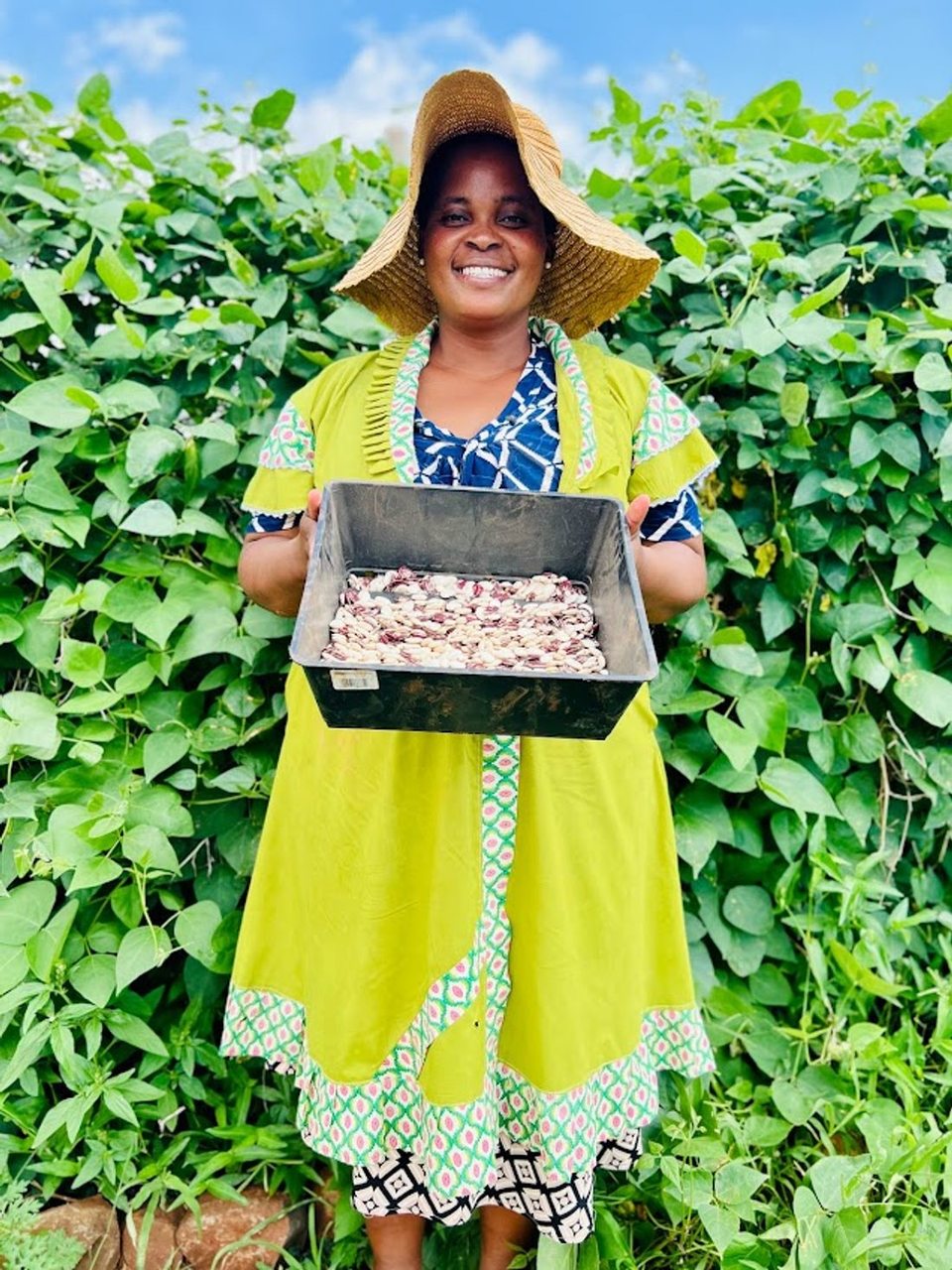
Conservation usually stops at a fence. Inside the reserve, the wild is protected. Outside it, the families who live closest to that wild are often the ones with the least — thin soil, shrinking gardens, food bought rather than grown.
We started Imbewu Yoshintso to work in that gap, on and around Manyoni Private Game Reserve in northern KwaZulu-Natal. The work is practical. We restore degraded ground with indigenous trees and plants. We build food gardens and food forests that feed people now, not someday. And we put those skills into the hands of young people who will still be here when we are gone.
In 2021 we established an indigenous tree and plant nursery on the reserve — the engine room of everything else we do. The project records document its plant propagation and its role in supplying gardens and local customers. The Mandlakazi records from 2019–2022 follow three crèche gardens, practical training, rainwater harvesting and local plant propagation. The market garden’s first phase was completed in 2022, with an 800 m² protected growing tunnel and a 240,000-litre water-storage reservoir.
None of this is charity that arrives and leaves. Every project is built to stand on its own over time — to need us less each year, not more.
What we have built in KwaZulu-Natal is a foundation, not a finish line.
That field experience now informs ImbewuField: an app connecting farm planning, learning, useful records and programme support, now being piloted on African Conservation Trust’s Social Employment Fund (ACT SEF) programme. Rory Clark is developing it through Imbewu Yoshintso, alongside the practical work of training and mentorship.
A forest is built upon a forest.